
When exploring the world of cannabis, it’s essential to understand the differences between medical and recreational dispensaries. While both serve as access points for cannabis products, their purposes, regulations, and offerings significantly differ. Knowing these distinctions can help consumers make informed decisions based on their needs.
Purpose and Functionality
- Designed to serve patients seeking cannabis for therapeutic or medicinal purposes.
- Require proof of a medical condition and a valid medical marijuana card issued by a licensed healthcare provider.
- Often provide specialized consultation to guide patients in finding suitable strains or products for symptom management.
- Focused on serving adult consumers looking to use cannabis for enjoyment or relaxation rather than treating specific health conditions.
- Typically do not require any medical documentation but may enforce age restrictions (usually 21+ years old).
Regulation Differences
| Aspect | Medical Dispensary | Recreational Dispensary |
| Age Requirement | Varies by jurisdiction; often 18+ | Typically restricted to adults 21+ |
| Access Requirements | Requires a state-registered ID card | Government-issued ID proving legal age |
| Purchase Limits | Higher limits for medicinal products | Lower limits based on state laws |
| Taxation | Reduced taxes or tax exemptions | Subject to higher sales taxes |
Product Variety and Potency
- Medical dispensaries typically offer:
- Products with higher CBD content, which are known for their therapeutic benefits without the psychoactive effects of THC.
- Customized product formulations like tinctures, capsules, topicals, and edibles tailored toward specific health needs.
- Recreational dispensaries, on the other hand:
- Focus on THC-dominant products aimed at enhancing mood or providing an enjoyable experience.
- Offer a wide range of options such as pre-rolls, concentrates, infused beverages, and edibles.
Expertise Available
One major distinction lies in staff expertise: – Medical dispensary staff (also known as budtenders) are often trained in understanding medical conditions and recommending appropriate dosages or strains. – Recreational dispensary employees are more likely focused on guiding customers through product types and helping them choose based on personal preferences.
Privacy Concerns
Another factor that sets these two apart is privacy: – Medical users’ information is often protected under stricter confidentiality laws because it involves healthcare data. – Recreational users don’t need to provide sensitive information beyond verifying their age with an ID.
Making Your Choice
Choosing between a medical and recreational dispensary depends largely on your intended goals: 1. If you’re managing chronic pain, anxiety, sleep disorders, or other conditions under professional guidance, a medical dispensary will better suit your needs. 2. For casual exploration or social use without specific therapeutic goals, recreational dispensaries offer greater accessibility and variety.
Understanding these key differences ensures that every visit to a cannabis provider aligns with your personal objectives while respecting local laws and guidelines.
Discover What a Park Slope Weed Store Offers and How It Works
Medical dispensaries play a crucial role in providing cannabis products that are tailored to the unique needs of patients. These dispensaries are distinctly different from recreational ones, as they focus on offering high-quality products designed for therapeutic purposes under regulatory guidelines.
Key Features of Medical Dispensaries
- Regulated Access: Entry is restricted to individuals with a medical cannabis card or prescription issued by a licensed healthcare professional.
- Personalized Guidance: Licensed staff, often referred to as budtenders, provide recommendations based on patients’ conditions and needs.
- High-CBD Products: Many products available in medical dispensaries have higher levels of cannabidiol (CBD), which offers therapeutic benefits without the psychoactive effects associated with tetrahydrocannabinol (THC).
- Capsules
- Tinctures
- Edibles
- Topicals
- Oils
- Higher Purchase Limits: Medical users may be allowed to purchase larger quantities compared to recreational consumers, depending on local regulations.
How Medical Dispensaries Work
- A patient must consult with a qualified physician to determine if cannabis is an appropriate treatment for their condition.
- Conditions often qualifying for medical cannabis include chronic pain, epilepsy, glaucoma, anxiety disorders, and more.
- After receiving the physician’s recommendation, patients apply for a medical cannabis card through the relevant state authority.
- Approval times vary but often require proof of residency and payment of application fees.
- Patients must bring their medical cards and identification when visiting.
- Upon arrival, staff typically verify credentials before allowing access.
- Patients can speak directly with trained professionals who help identify suitable strains or products.
- Product Selection | Product Type | Benefits | |——————–|———————————————-| | High-CBD Strains | Provides relief from inflammation and anxiety| | Balanced THC/CBD | Eases symptoms while maintaining mild effects| | Topicals | Non-intoxicating relief for localized pain |
- After selecting items, the transaction is securely processed following strict compliance protocols.
Advantages Specific to Medical Dispensaries
- Reduced tax rates or exemptions on purchases in certain jurisdictions.
- Tailored advice aimed specifically at managing health conditions.
- Access to specialized strains that are not available in recreational markets.
Medical dispensaries prioritize patient wellness by providing safe access to regulated cannabis products alongside expert guidance. Whether addressing chronic pain or alleviating stress-related disorders, these establishments act as vital resources for patients seeking alternative therapies grounded in science-based solutions.

Exploring the Benefits of a Park Slope Dispensary and What It Offers
Recreational dispensaries have become increasingly popular as more regions legalize cannabis for adult use. These establishments provide access to cannabis products without the need for a medical card, catering to individuals who wish to explore cannabis for relaxation, creativity, or social engagement. Understanding what recreational dispensaries are and how they benefit users is essential for making informed decisions.
Exploring the Park Slope Cannabis Shop: What to Know About Recreational Dispensaries
A recreational dispensary is a licensed retail facility where adults (typically 21 years or older) can purchase cannabis products. Unlike medical dispensaries, which require physician recommendations and medical cards, recreational dispensaries are open to any eligible adult with valid identification. These dispensaries aim to create an inclusive and accessible environment, offering diverse products suited for various preferences and experience levels.
Products Offered at Recreational Dispensaries
- Flower (Bud): The most recognizable form of cannabis, available in various strains like indica, sativa, or hybrid.
- Edibles: Cannabis-infused food or beverages such as chocolates, gummies, and teas.
- Concentrates: Potent extracts like wax, shatter, oils, or live resin used for dabbing or vaping.
- Topicals: Lotions, balms, or salves infused with cannabis that can be applied directly to the skin.
- Pre-rolls: Ready-to-smoke joints filled with ground cannabis flower.
- Vape Cartridges: Concentrated cannabis oils designed for use with vape pens or devices.
Each category often includes varied THC-to-CBD ratios to accommodate both experienced users and beginners.
Benefits of Visiting a Recreational Dispensary
- Accessibility: No medical prescription is required; anyone who meets the age requirement can shop at their leisure.
- Product Variety: From low-dose edibles designed for beginners to high-potency concentrates tailored for experienced users—dispensaries ensure there’s something for everyone.
- Expert Guidance: Staff members (“budtenders”) are trained to educate customers on product options based on desired effects or consumption methods.
- Safe and Regulated Products: Licensed dispensaries adhere to strict quality control standards ensuring customers receive lab-tested items free from harmful contaminants.
- Discreet Shopping Experience: Many dispensaries prioritize customer privacy by offering online ordering systems and private in-store consultations.
Tips for First-Time Visitors
- Research laws in your area regarding legal purchase limits and usage restrictions.
- Start small by choosing low-dose products (e.g., 5mg THC edibles). Gradually increase dosage if needed.
- Ask questions—budtenders are there specifically to help you make informed selections.
- Bring valid government-issued identification proving you’re of legal age.
| Product Type | Consumption Method | Typical Use Case |
| Flower | Smoking/Vaping | Quick onset; traditional method |
| Edibles | Ingestion (eating) | Long-lasting effects |
| Concentrates | Dabbing/Vaping | High potency; advanced users |
Exploring Cannabis Responsibly
- Consume only in designated areas where it’s legally permitted.
- Understand local laws regarding possession limits.
- Avoid driving under the influence—plan alternative transportation options if necessary.
By understanding what recreational dispensaries offer along with their benefits, adults can enjoy these spaces as reliable hubs for education, discovery—and most importantly—a safe way to access high-quality cannabis products suited specifically to their needs.
Choosing the Right Type of Dispensary Based on Your Needs
Selecting the appropriate type of dispensary—medical or recreational—depends on your individual goals, requirements, and legal considerations. Each type caters to distinct audiences and offers varying products, services, and experiences. Here’s a comprehensive guide to help you make an informed decision.
Factors to Consider When Choosing a Dispensary
- Medical: If your goal is treatment for a specific condition (e.g., chronic pain, anxiety, epilepsy), a medical dispensary is better suited for you.
- Recreational: If you’re seeking cannabis for enjoyment, relaxation, or social purposes without requiring a prescription, recreational dispensaries are the way to go.
- Medical dispensaries often have stricter entry requirements. Typically, you’ll need a state-issued medical marijuana card or doctor’s recommendation.
- Recreational dispensaries are open to individuals meeting the legal age requirement (usually 21+), with no need for medical documentation.
- Product Selection | Dispensary Type | Product Focus | |————————–|——————————————————————————————————-| | Medical Dispensary | High-CBD products with low THC ratios; tailored for health benefits like pain relief or anti-inflammation | | Recreational Dispensary | A broader range of THC-rich products such as edibles, concentrates, topicals, and flower strains |
- Legal Framework Ensure you’re familiar with local laws regarding both types:
- Some states permit only medical use.
- Others allow both medical and recreational usage but may have different taxation systems.
Benefits of Medical Dispensaries
- Access to expert consultations: Staff in medical facilities often include healthcare professionals who can guide you based on your condition.
- Tailored dosing options: Products often come in precise doses suited for therapeutic needs.
- Potential cost savings: Many states exempt medicinal marijuana from certain taxes levied on recreational cannabis.
Benefits of Recreational Dispensaries
- Variety and innovation: Recreational shops may stock creative product formats like infused beverages or gourmet edibles.
- Ease of access: No need for special documentation beyond valid identification proving age eligibility.
- Social atmosphere: Some establishments foster community engagement through events or educational sessions about safe use.
Tips for Making Your Choice
- Start by identifying your primary goal—whether it’s health-related relief or leisure enjoyment.
- Research local regulations governing both types of dispensaries in your area.
- Consider visiting each kind (if legally possible) to experience differences firsthand before making your decision.
Choosing between a medical and recreational dispensary is not just about legality; it’s about aligning the offerings of the establishment with your needs effectively. Take time to assess what best complements your lifestyle while ensuring compliance with local laws.
Discovering How to Explore Cannabis at Your Own Pace Without Commitments
Exploring cannabis can be an enlightening journey, especially for those new to the plant or seeking a no-pressure way to engage. Recreational cannabis offers opportunities for exploration without the need for long-term commitments or immediate decisions. For those looking to dive in at their own pace, here’s a guide on how to approach the process thoughtfully and responsibly.
Start with Research
- Cannabinoids: THC (tetrahydrocannabinol) and CBD (cannabidiol) are the most well-known compounds, each offering different effects.
- Consumption Methods: Smoking, vaping, edibles, tinctures, topicals, and capsules all deliver unique experiences.
- Dosage Awareness: For beginners, starting with low doses is crucial to avoid overwhelming effects.
Reliable online resources or books written by qualified experts can serve as great starting points.
Visit Dispensaries Without Pressure
- Ask Questions: Budtenders are trained professionals who can guide you through products and answer your questions about strains or effects.
- Request Recommendations: If unsure where to start, ask for mild options that suit beginners.
- Take Notes: Write down what interests you during your visit for further research later.
Dispensaries often provide brochures or printed material about their offerings—feel free to grab these resources for future reference.
Experiment Slowly With Different Products
- Choose low THC products if you’re inexperienced.
- Begin with microdoses (e.g., 2.5 mg THC) when consuming edibles.
- Avoid mixing multiple forms of consumption until you’ve understood how your body responds.
- Keep a journal of what you’ve tried along with any noticeable effects—this helps identify preferences.
| Product Type | Onset Time | Duration |
| Smoking/Vaping | Within minutes | 1–3 hours |
| Edibles | 30 minutes – 2 hours | Up to 6–8 hours |
| Tinctures | About 15–45 minutes | 4–6 hours |
Explore Social Opportunities
Many people find exploring cannabis more enjoyable when shared with like-minded individuals in casual settings such as cannabis lounges or themed events like tastings or workshops.
Consider these avenues:
– Joining meetups focused on education or casual discussions around recreational use. – Attending public events like industry expos or consumption-friendly festivals. – Sharing experiences safely with trusted friends who also want an exploratory journey.
Final Thoughts
Exploring recreational cannabis is about finding what works best for you while maintaining mindfulness in your approach. By setting your own pace, leveraging resources available at dispensaries, and experimenting thoughtfully with products, you open yourself up to discovering the benefits of this versatile plant without unnecessary pressure.
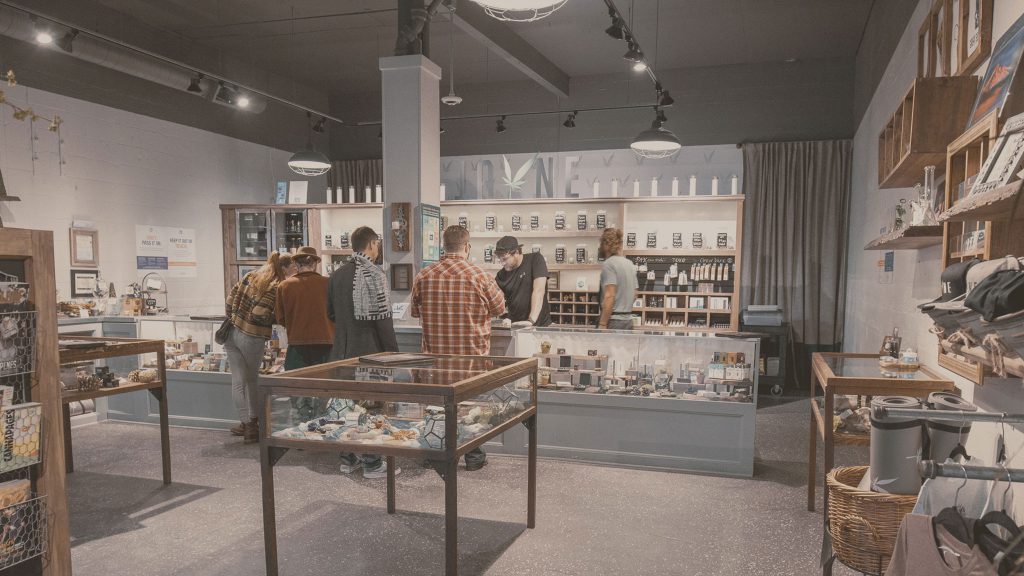
The Benefits of Joining a Circle for a Supportive Cannabis Experience
For individuals exploring recreational cannabis, joining a circle or community can provide an enriching and supportive experience. Whether you are new to cannabis or have some familiarity, being part of a group fosters education, connection, and shared responsibility. Below, we delve into the benefits of collaborative cannabis experiences and how they can enhance your journey.
Shared Knowledge and Education
Cannabis circles often include individuals with varying levels of expertise and experience. This diversity allows members to share insights about:
– Product recommendations: Learn about trusted strains, edibles, tinctures, and other product types.
– Consumption techniques: Discover the differences between smoking, vaping, edibles, and sublingual methods. – Dosage guidance: Receive advice on starting doses for different delivery methods to ensure safety and comfort.
For beginners especially, these discussions can be invaluable in reducing misconceptions or avoiding unpleasant experiences.
Building Trust and Community
Joining a group focused on cannabis creates an opportunity to connect with like-minded individuals who share similar values or interests. Social interaction in these settings often results in:
– A sense of belonging: Feeling connected to a larger community reduces isolation. – Open dialogue: Honest conversations about personal experiences help normalize cannabis use while addressing potential concerns. – Supportive environment: Members can offer encouragement or assistance during shared sessions.
Through trust-building activities within the group dynamic, participants are more likely to feel relaxed while exploring products or techniques.
Enhancing the Experience Through Shared Sessions
Participating in group consumption sessions—commonly known as “cannabis circles”—offers unique advantages compared to solo use: 1. Mindful consumption: Group settings encourage moderation as members observe each other’s limits. 2. Diverse perspectives: Interacting with peers allows you to learn how others interpret effects (e.g., relaxation vs creativity). 3. Safe environments: Many groups emphasize creating secure spaces for experimentation free from judgment.
Table Example: | Benefit | Description | |———————–|——————————————————————————| | Mindful Consumption | Encourages controlled use through collective awareness | | Diverse Perspectives | Broadens understanding by hearing others’ experiences | | Safe Environments | Provides judgment-free zones where questions or uncertainties are welcome |
Opportunities for Advocacy and Learning
Engaging with cannabis communities often extends beyond consumption; it promotes education about responsible use while advocating for broader societal acceptance. Many circles participate in initiatives such as: – Hosting educational workshops focused on safe practices. – Supporting legal reforms through petitions and awareness campaigns. – Partnering with dispensaries for exclusive product tutorials.
These efforts empower participants not just as consumers but also as informed contributors within the larger conversation surrounding recreational cannabis.
By collaborating in such spaces—whether virtual forums or local meetups—you gain access not only to practical knowledge but also form meaningful connections that positively shape your relationship with cannabis over time.
The Benefits of Joining a Circle for a Supportive Cannabis Experience
Cannabis use has evolved beyond personal consumption to become a social activity that fosters connection and community. For many, joining a cannabis circle—a group of like-minded individuals who share experiences, knowledge, and support—offers a unique way to engage with cannabis in a meaningful and enriching manner. Here’s an exploration of the benefits that come with participating in such circles.
Sharing Knowledge and Experiences
- Product Recommendations: Members often share details about strains, edibles, tinctures, or other products they’ve tried.
- Consumption Methods: Learn about new ways to consume cannabis, like vaporizing, dabbing concentrates, or using topicals.
- Dosage Guidance: Gain advice on finding appropriate dosages for various needs—be it relaxation, pain relief, or creative inspiration.
This collaborative exchange can significantly enhance your understanding of cannabis while helping you make informed decisions tailored to your preferences.
Building Community and Reducing Isolation
- Social Interaction: Many users find enjoyment in discussing their experiences with others who understand and respect their choices.
- Emotional Support: For those who use cannabis medicinally or recreationally during challenging times, having a supportive group can be immensely comforting.
- Networking Opportunities: Cannabis circles often attract individuals from various industries and professions, offering opportunities for collaboration beyond the realm of cannabis.
Promoting Responsible Use
| Aspect | Examples |
| Educating on Local Laws | Staying informed on legal limits for possession and usage. |
| Advocating Safe Consumption | Avoiding overconsumption and respecting individual limits. |
| Encouraging Mindful Practices | Understanding how different products may affect mental state. |
This collective encouragement fosters healthier attitudes toward cannabis use while reducing risks associated with misuse.
Exploring New Perspectives
- Stories from medical users detailing how cannabis has improved their quality of life.
- Recreational enthusiasts sharing creative ways they integrate cannabis into hobbies like cooking or art.
- Advocates discussing the cultural history behind certain strains or methods.
Hearing these stories broadens your appreciation for the plant while opening doors to possibilities you may not have considered before.
By connecting with others in this way, you enrich both your own experience and contribute positively to the broader community surrounding responsible cannabis use.
Learning the Essentials About Recreational Use for First-Time Explorers
Entering the world of recreational cannabis use can be exciting yet overwhelming, especially if it’s your first experience. With a vast array of products and consumption options available, having an understanding of the essentials is key to ensuring a safe, enjoyable, and informed journey.
Start with Research
Before diving in, it’s crucial to gain a foundational understanding of cannabis, its components, and how it interacts with the body. Key terms to familiarize yourself with include:
– THC (Tetrahydrocannabinol): The psychoactive compound responsible for creating the “high” sensation.
– CBD (Cannabidiol): A non-intoxicating compound often used for relaxation or therapeutic purposes.
– Terpenes: Aromatic compounds that influence flavor and effects.
By learning the basics, you’ll be better equipped to make informed choices when selecting products that suit your preferences and goals.
Understand Different Methods of Consumption
| Method | Description | Onset Time | Duration |
| Smoking | Inhalation through joints or pipes | 1-10 minutes | 2-4 hours |
| Vaping | Heating cannabis oil or flower to create vapor | 1-10 minutes | 2-4 hours |
| Edibles | Cannabis-infused foods or beverages | 30 minutes – 2 hours | 4-8 hours |
| Tinctures | Liquid extracts taken under the tongue | 15-45 minutes | 4-6 hours |
| Topicals | Lotions or balms applied directly to the skin | No psychoactive effect | Varies |
Choose a method that aligns with your comfort level and desired effects. For beginners, starting with low-dose edibles or tinctures may be less intimidating than smoking or vaping.
Start Low and Go Slow
One of the most important principles for first-time users is adopting a “low and slow” approach:
– Opt for products with low THC concentrations (e.g., 5 mg per dose).
– Allow ample time for effects to kick in before consuming more—especially with edibles, as their onset can take longer than inhalation methods.
This cautious approach helps minimize risks like overconsumption and ensures a more pleasant experience.
Be Mindful of Your Environment
Setting plays a significant role in shaping your recreational cannabis experience. To ensure comfort and safety:
1. Choose a familiar location where you feel relaxed. 2. Surround yourself with trusted individuals who have positive attitudes toward cannabis. 3. Avoid mixing cannabis with alcohol or other substances.
Creating an environment conducive to relaxation enhances your overall enjoyment.
Know Your Legal Boundaries
First-time explorers should also familiarize themselves with local laws regarding recreational cannabis use:
– What is the legal age for purchase and consumption?
– Are there possession limits?
– Where is consumption legally permitted?
Following regulations not only keeps you compliant but also promotes responsible usage within your community.
Embarking on this journey as an informed consumer ensures not only safety but also maximizes enjoyment while exploring all that recreational cannabis has to offer.
- Your Complete Guide to Visiting a Park Slope Dispensary for Recreational Cannabis
- Exploring the Concept and Purpose of a Park Slope Dispensary
- What to Expect on Your First Visit to a Park Slope Dispensary
- How Does a Park Slope Weed Store Operate as a Recreational Dispensary
- A Beginner’s Guide to Shopping at a Park Slope Marijuana Dispensary
- Understanding the Key Differences Between Medical and Recreational Options at a Park Slope Marijuana Dispensary
- Exploring the Key Differences Between Medical and Recreational Cannabis at a Park Slope Dispensary
- How Does a Park Slope Dispensary Operate and What Makes It Recreational
- How Recreational Marijuana is Defined at a Park Slope Marijuana Dispensary